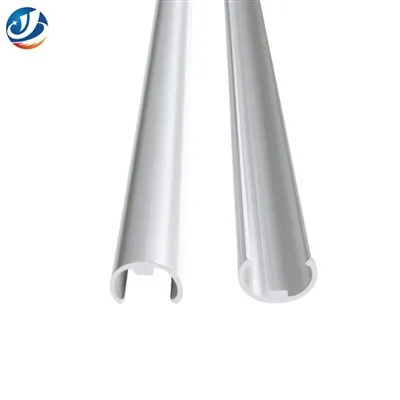
As a supplier of CNC aluminium profiles, I'm often asked about the painting processes involved in creating these high - quality products. Painting not only enhances the aesthetic appeal of CNC aluminium profiles but also provides protection against corrosion and wear. In this blog, I'll walk you through the key painting processes for CNC aluminium profiles.
Surface Preparation
The first and most crucial step in the painting process is surface preparation. A well - prepared surface ensures good adhesion of the paint and a long - lasting finish.
Cleaning
The aluminium profiles are first thoroughly cleaned to remove any dirt, grease, oil, or other contaminants. This can be done using a variety of methods. One common approach is to use alkaline or acidic cleaning solutions. Alkaline cleaners are effective at removing grease and oil, while acidic cleaners can help remove oxidation layers. Ultrasonic cleaning is another option, especially for profiles with complex shapes. The high - frequency sound waves create tiny bubbles that implode on the surface of the aluminium, dislodging dirt and debris.
After cleaning, the profiles are rinsed with clean water to remove any remaining cleaning agents. This step is essential to prevent residues from interfering with the subsequent painting steps.
Etching
Etching is often carried out to create a rough surface on the aluminium, which improves paint adhesion. An etching solution, typically containing chemicals like sodium hydroxide, is used to slightly dissolve the surface of the aluminium. This process creates microscopic pits and grooves on the surface, providing more area for the paint to bond to. The etching time and concentration of the solution need to be carefully controlled to achieve the desired surface roughness without causing excessive damage to the profiles.
Anodizing (Optional)
Anodizing is an electrochemical process that forms a protective oxide layer on the surface of the aluminium. This oxide layer not only provides corrosion resistance but also serves as a good base for painting. During anodizing, the aluminium profiles are immersed in an electrolyte solution and an electric current is passed through them. The thickness of the anodized layer can be controlled by adjusting the current density and the duration of the process. Anodized aluminium profiles can have a more durable and scratch - resistant paint finish compared to non - anodized ones.
Primer Application
Once the surface is properly prepared, a primer is applied. The primer acts as a bonding layer between the aluminium surface and the topcoat. It helps to improve adhesion, provides additional corrosion protection, and enhances the overall durability of the paint system.
There are different types of primers available for aluminium profiles, such as epoxy primers and acrylic primers. Epoxy primers are known for their excellent adhesion and corrosion resistance. They are often used in applications where the profiles will be exposed to harsh environmental conditions. Acrylic primers, on the other hand, offer good UV resistance and are more suitable for outdoor applications where color retention is important.
The primer can be applied using various methods, including spraying, dipping, or brushing. Spraying is the most common method as it provides a uniform and smooth coating. The thickness of the primer layer is typically in the range of 10 - 25 microns, depending on the specific requirements of the application.
Topcoat Application
After the primer has dried and cured, the topcoat is applied. The topcoat is responsible for the final appearance and color of the CNC aluminium profiles. It also provides additional protection against environmental factors such as UV radiation, moisture, and chemicals.
Types of Topcoats
- Polyurethane Topcoats: These topcoats offer excellent durability, weather resistance, and chemical resistance. They are available in a wide range of colors and finishes, including gloss, semi - gloss, and matte. Polyurethane topcoats are commonly used in outdoor applications, such as architectural facades and window frames.
- Powder Coating: Powder coating is a dry finishing process in which powdered paint is electrostatically applied to the aluminium profiles. The profiles are then heated in an oven, causing the powder to melt and form a smooth, continuous coating. Powder coating provides a thick, durable, and scratch - resistant finish. It is also environmentally friendly as it produces less waste and volatile organic compounds (VOCs) compared to liquid paints.
Application Methods
- Spraying: Similar to primer application, spraying is a popular method for applying the topcoat. High - pressure airless sprayers or electrostatic spray guns can be used to ensure an even distribution of the paint. Electrostatic spraying is particularly effective as it charges the paint particles, causing them to be attracted to the grounded aluminium profiles, resulting in a more uniform coating.
- Dipping: Dipping can be used for small - sized or irregularly shaped profiles. The profiles are immersed in a tank filled with the topcoat paint. This method is relatively simple but may require careful control to avoid uneven coating thickness.
Curing
After the topcoat is applied, the profiles need to be cured to allow the paint to fully harden and develop its properties. The curing process can be either air - drying or oven - curing, depending on the type of paint used.


Air - Drying
Some paints, such as certain acrylic paints, can be air - dried at room temperature. Air - drying is a simple and cost - effective method, but it may take longer for the paint to fully cure. The drying time can be affected by factors such as temperature, humidity, and air circulation.
Oven - Curing
Oven - curing is commonly used for powder coatings and some high - performance liquid paints. The profiles are placed in an oven at a specific temperature for a set period of time. For powder coatings, the curing temperature is typically in the range of 180 - 200°C, and the curing time can be around 10 - 20 minutes. Oven - curing ensures a more rapid and complete curing of the paint, resulting in a harder and more durable finish.
Quality Control
Throughout the painting process, strict quality control measures are implemented to ensure that the final products meet the required standards.
Visual Inspection
Visual inspection is carried out to check for any surface defects, such as runs, sags, orange peel, or pinholes in the paint. The color of the painted profiles is also compared to the specified color standard to ensure consistency.
Adhesion Testing
Adhesion testing is performed to evaluate the bond strength between the paint and the aluminium surface. One common method is the cross - cut test, in which a grid of cuts is made in the paint film using a sharp blade, and then a piece of adhesive tape is applied and pulled off. The amount of paint that is removed with the tape is used to assess the adhesion quality.
Corrosion Testing
Corrosion testing is used to evaluate the long - term corrosion resistance of the painted profiles. Salt spray testing is a widely used method, in which the profiles are exposed to a salt - fog environment for a specified period of time. The extent of corrosion on the surface of the profiles is then examined to determine the effectiveness of the paint system.
Conclusion
The painting processes for CNC aluminium profiles are complex and involve multiple steps, from surface preparation to quality control. Each step plays a crucial role in ensuring a high - quality, durable, and aesthetically pleasing finish. As a supplier of CNC aluminium profiles, we are committed to using the latest technologies and best practices in the painting process to provide our customers with products that meet their highest expectations.
If you are interested in our Cnc Router Aluminium Profile, CNC Machining Aluminum, or Aluminium U Clamp products, please feel free to contact us for more information and to discuss your specific requirements. We look forward to the opportunity to work with you and provide you with the best - quality CNC aluminium profiles.
References
- ASM Handbook Volume 5: Surface Engineering, ASM International
- Powder Coating Technology, Vincentz Network
- Aluminum Finishing: Technology and Innovation, Elsevier