

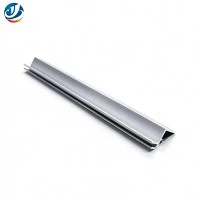
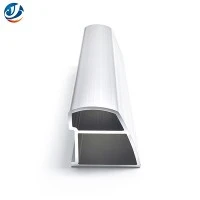
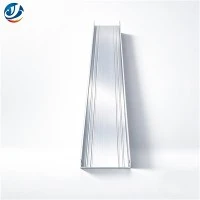
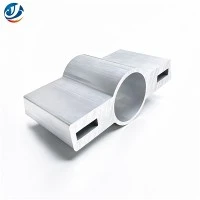


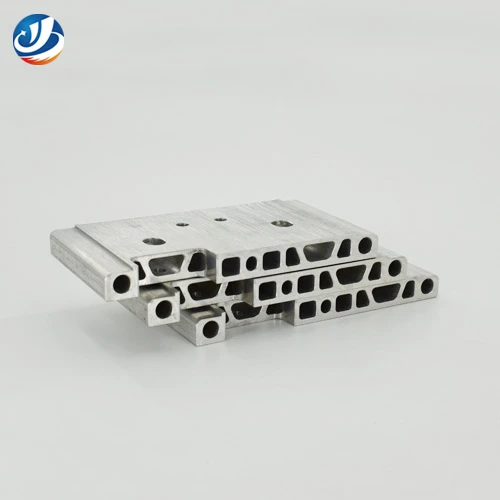

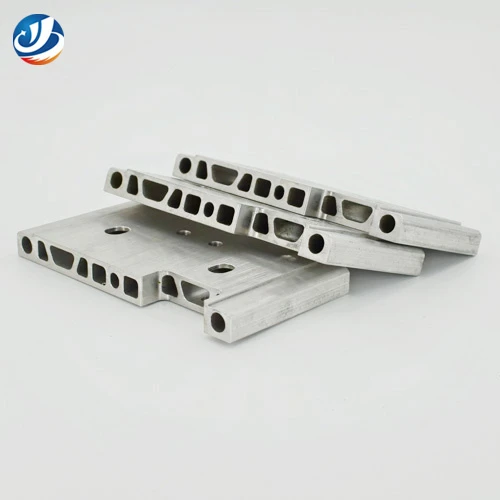
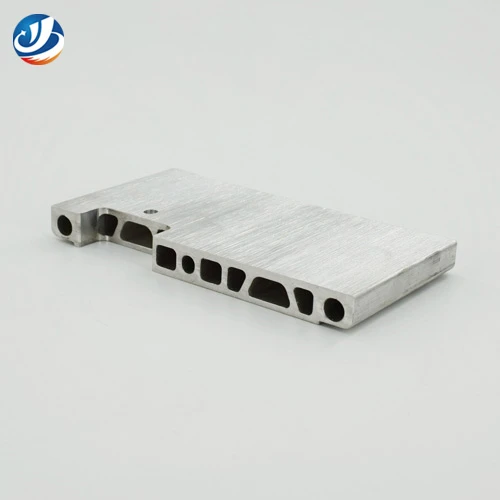
New Energy Battery Aluminum Plates
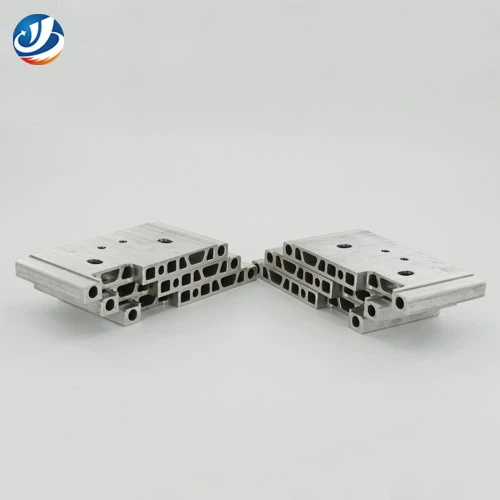
New Energy Battery Aluminum Plates are functional metal sheets designed and manufactured for new energy batteries, made from aluminum alloy as the base material. They are not ordinary aluminum plates but are processed through specific techniques to meet the key requirements of batteries in terms of structure, conductivity, and heat dissipation.
Product parameters
| Products name | New Energy Battery Aluminum Plates |
| Material | Aluminum 6063 |
| Size | Silver white / black or customized color |
| Surface Treatment | Anodizing, electrophoresis, spraying, polishing, grinding |
| Processing technology | Profile extrusion, cutting, CNC machining, tapping |
| Mechanical properties | Tensile strength ≥200 MPa, yield strength ≥110 MPa, elongation ≥15%, must withstand stamping forming and external impact. |
| Corrosion resistance | No significant corrosion observed in neutral salt spray test for ≥500 hours, capable of withstanding long-term electrolyte exposure. |
| Temper | O,H12,H13,H14,H16,H18,H24,H32,H34,H19,H38,G36,F,H111,H112,H192,H392,H393,H321 etc |
| Customizable | YES |
drawings
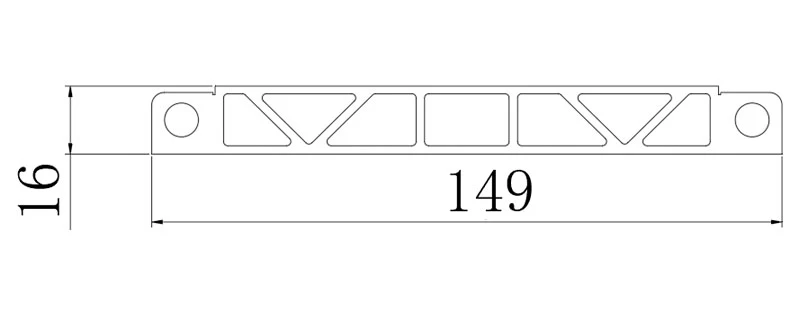
W10023

W10024
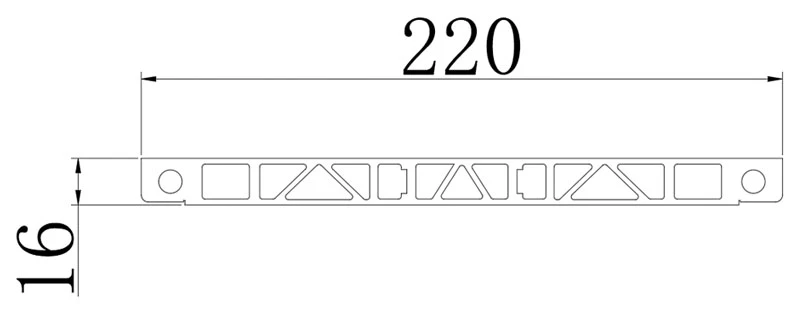
W10021
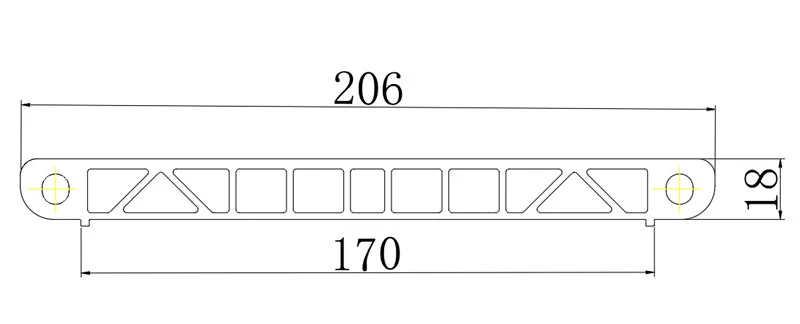
W10025
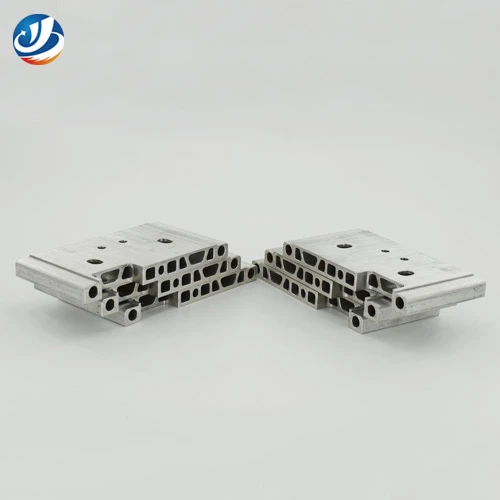


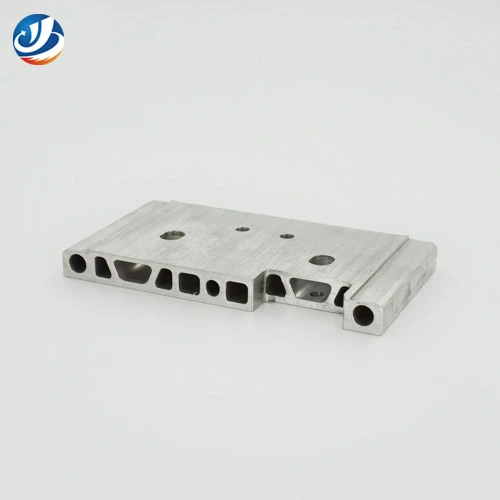
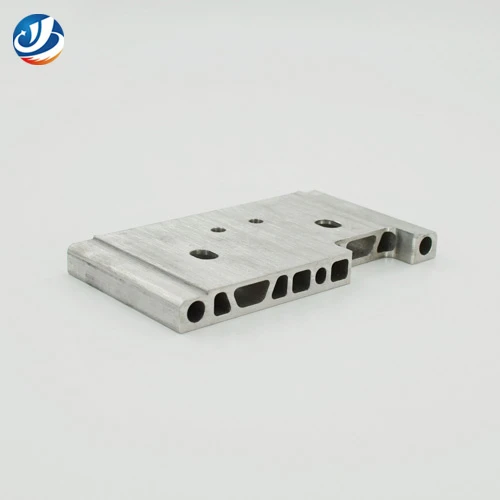
Reliable Quality
Made from high-quality aluminum material, it has good performance, high oxidation resistance, and excellent toughness. Its manufacturing process is strictly controlled with an emphasis on quality.
01
Surface treatmxent
Enhance the corrosion resistance and insulation of the panels through processes such as passivation and coating. Some cover plate aluminum panels also require laser marking or punching.
02
Process characteristics
It requires specialized processes such as precision rolling, heat treatment, and surface treatment to ensure dimensional accuracy, mechanical strength, and corrosion resistance, meeting the stringent standards of the battery industry.
03
Accurate Dimensions
New Energy Battery Aluminum Plates All products are manufactured strictly according to the drawing dimensions and shipped within the controlled tolerance range.
04
Product inspection process details


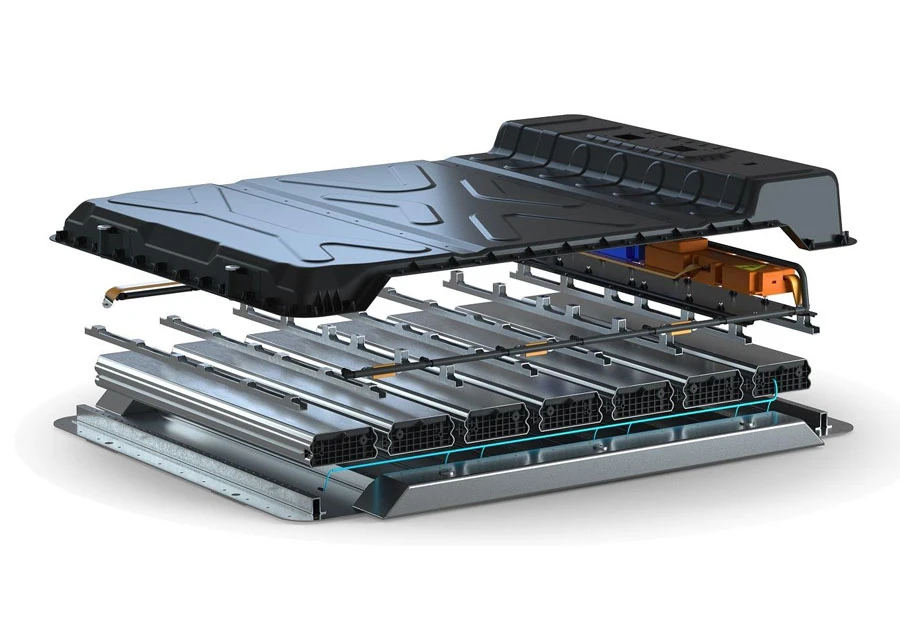

一. Core Features: Based on the inherent characteristics of battery requirements
1. Material characteristics: multi-performance collaborative adaptation
Using aluminum alloy as the base material, it naturally combines lightweight characteristics (with a density of only 2.7g/cm³, about one-third that of steel), high strength (Series 5 tensile strength ≥200MPa), and machinability (easy to stamp and weld), allowing the battery structure requirements to be met without compromising any single property.
Some models (such as Series 1 tab aluminum plates) have high electrical conductivity (conductivity ≥ 60% IACS), while others (such as Series 6 cover aluminum plates) have corrosion resistance (salt spray test ≥ 500 hours). They can be flexibly selected according to the functions of different parts of the battery, achieving 'one material for one use.'
2.Craftsmanship and Compatibility: Precision Customization
The machining accuracy is extremely high, with a thickness tolerance controllable within ±0.02mm, and a surface roughness of Ra≤1.6μm. It can meet precise assembly requirements such as battery sealing and electrode post welding, preventing leakage or poor contact caused by dimensional deviations.
The alloy composition (such as adjusting magnesium and silicon content) and processes (such as T6 heat treatment to enhance hardness) can be customized according to the battery type (ternary lithium / sodium battery) and application part (housing / cover plate / tab), offering adaptability far beyond that of standard metal sheets.
3.Safety and Reliability: Tailored to Battery Conditions
Strong resistance to electrolyte corrosion, capable of long-term endurance against the corrosion of carbonate electrolytes inside the battery, preventing plate oxidation and perforation that could cause leakage; structurally stable in high-temperature environments (60-80℃) with no significant deformation or performance degradation, reducing the risk of battery thermal runaway.
With high structural stability, it can withstand external impacts (such as vehicle collisions) and internal pressure (such as battery charge and discharge expansion) when used as a housing or cover, providing reliable protection for the battery cells.
二. Core Advantages: Irreplaceability Compared to Alternative Materials
Compared to substitute materials like steel and copper for battery structural components, the advantages of aluminum plates used in new energy batteries are mainly reflected in four dimensions:
1.Lightweighting improves battery energy density
Compared with traditional steel-cased batteries, aluminum alloy casings can reduce the weight of the battery pack by 30%-50%. With the battery weight fixed, more cells can be accommodated, directly increasing the battery's energy density (by about 5%-10%), ultimately extending the driving range of electric vehicles or the operating time of energy storage devices.
2. Cost performance is better than alternative materials
The cost is lower than copper (copper is about 3-4 times the price of aluminum), and the processing energy consumption is also lower (aluminum smelting energy consumption is only 1/5 of steel), which can effectively control battery manufacturing costs;
Compared with non-metallic materials such as plastic, aluminum alloy has better strength and temperature resistance, does not require additional reinforcement structures, and is more advantageous in terms of overall cost.
3.Adapt to the full lifecycle needs of the battery
Processing stage: easy to stamp, bend, and weld; capable of automated mass production, suitable for large-scale battery manufacturing requirements;
Recycling Stage: The recycling rate of aluminum alloy is ≥95%, and the energy consumption for recycling and processing is low (only 5% of that for primary aluminum production), in line with the 'low-carbon and environmentally friendly' development trend of the new energy industry.
4.Safety performance adapts to severe battery conditions
Compared to copper, the thermal expansion coefficient of aluminum alloy is closer to that of other battery components (such as the separator and cell), making it less likely to create gaps due to expansion and contraction caused by temperature changes.
Compared to steel, aluminum alloy has better ductility (elongation ≥15%), is less likely to break upon impact, and can reduce the risk of battery damage.
Certificate
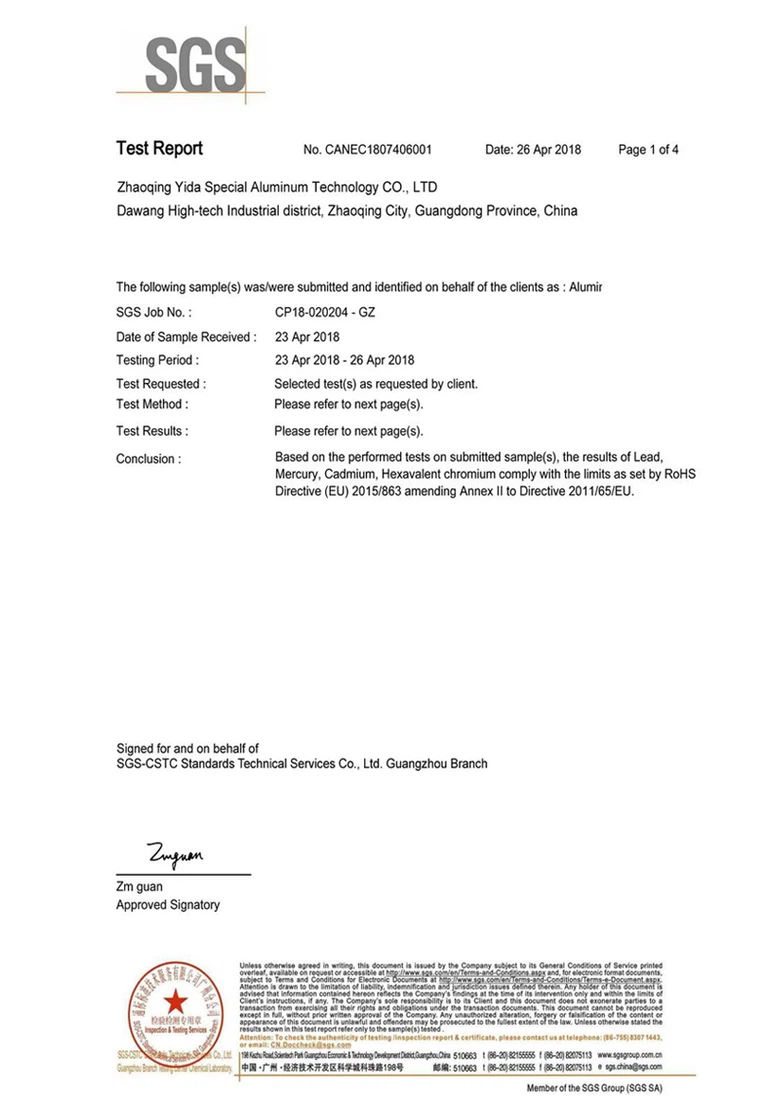
Our factory is an aluminum industry base integrating the most advanced production and processing equipment and functions. And we certificated of the ISO9001:2015 factory in April 2019.

Hot Tags: new energy battery aluminum plates, China new energy battery aluminum plates manufacturers, suppliers, factory
Previous
No InformationYou Might Also Like


Send Inquiry