Preparation stage
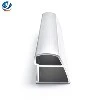
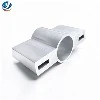
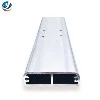
Inspect the material: Carefully inspect the quality of the decorative wire to see if there are any problems such as damage, cracks, deformation, etc. to ensure that the specifications and dimensions of the line meet the design requirements.
Tool preparation: Prepare the appropriate tools according to the material of the tape and the installation method. Installing metal wire may require a cutter, angle grinder, screwdriver, glue gun, etc.; To install stone lines, you need stone cutting saws, marble glue, etc.
Base treatment: The surface of the base layer of the installation line should be smooth, clean and dry, free of dust, oil and other impurities. For the uneven base layer, it is necessary to grind, repair or level to ensure that the lines can be closely fitted with the base layer after installation, and avoid problems such as hollowing and warping.
Installation phase
Precise measurement: Use precise measurement tools, such as tape measures, rectangular rulers, etc., to accurately measure the installation location and determine the length and angle of the line. When cutting the line, it is necessary to take into account the splicing method at the interface, reserve an appropriate margin, and ensure that the interface is tight and flat after the line is installed.
Cutting and splicing: cut according to the measured size, ensure that the incision is smooth and smooth when cutting, and try to avoid burrs or chipping. For the lines that need to be spliced, such as at the corners of walls or door and window openings, appropriate splicing methods should be used, such as 45° angle splicing, right-angle splicing, etc., and ensure that there are no gaps in the splicing.
Fixing method: Select the appropriate fixing method according to the material of the line. Metal wires can be screwed, clamped or glued; Stone lines are usually pasted with marble glue. When using nails for fixation, pay attention to the length and spacing of the nails to avoid the nails being too long to thread or too far apart and cause the fixation to be not firm. When using glue paste, it is necessary to ensure that the glue is evenly applied, and grasp the pasting time according to the characteristics of the glue, so as not to affect the paste effect after the glue dries.
Construction safety: During the installation process, attention should be paid to construction safety. When using power tools, they should be used correctly in accordance with the operating procedures and wear corresponding protective equipment, such as goggles and gloves. When installing lines at heights, build a solid scaffolding or use climbing equipment, and fasten a seat belt to prevent falling accidents.
Wrapping Stages
Gap treatment: After installation, check the gaps between the lines and the base layer, and between the lines. For smaller gaps, they can be filled, repaired, and then sanded and polished with sealant or putty to make them flat, smooth, and consistent with the color of the line surface. For larger gaps, it is necessary to analyze the cause and deal with it accordingly, such as repositioning the lines or replacing them.
Surface cleaning: Clean up dust, glue marks and other impurities on the surface of the line to keep the surface of the line clean and beautiful. For lines of different materials, it is necessary to use appropriate cleaning products to avoid damage to the surface of the lines. For example, wooden lines can be wiped with a mild detergent, and metal lines can be cleaned with a special metal brightener.
Finished product protection: The decorative moldings after installation need to be protected from collisions, scratches or contamination during subsequent construction. Measures such as covering protective film and setting up protective fences can be used until the entire decoration project is completed.